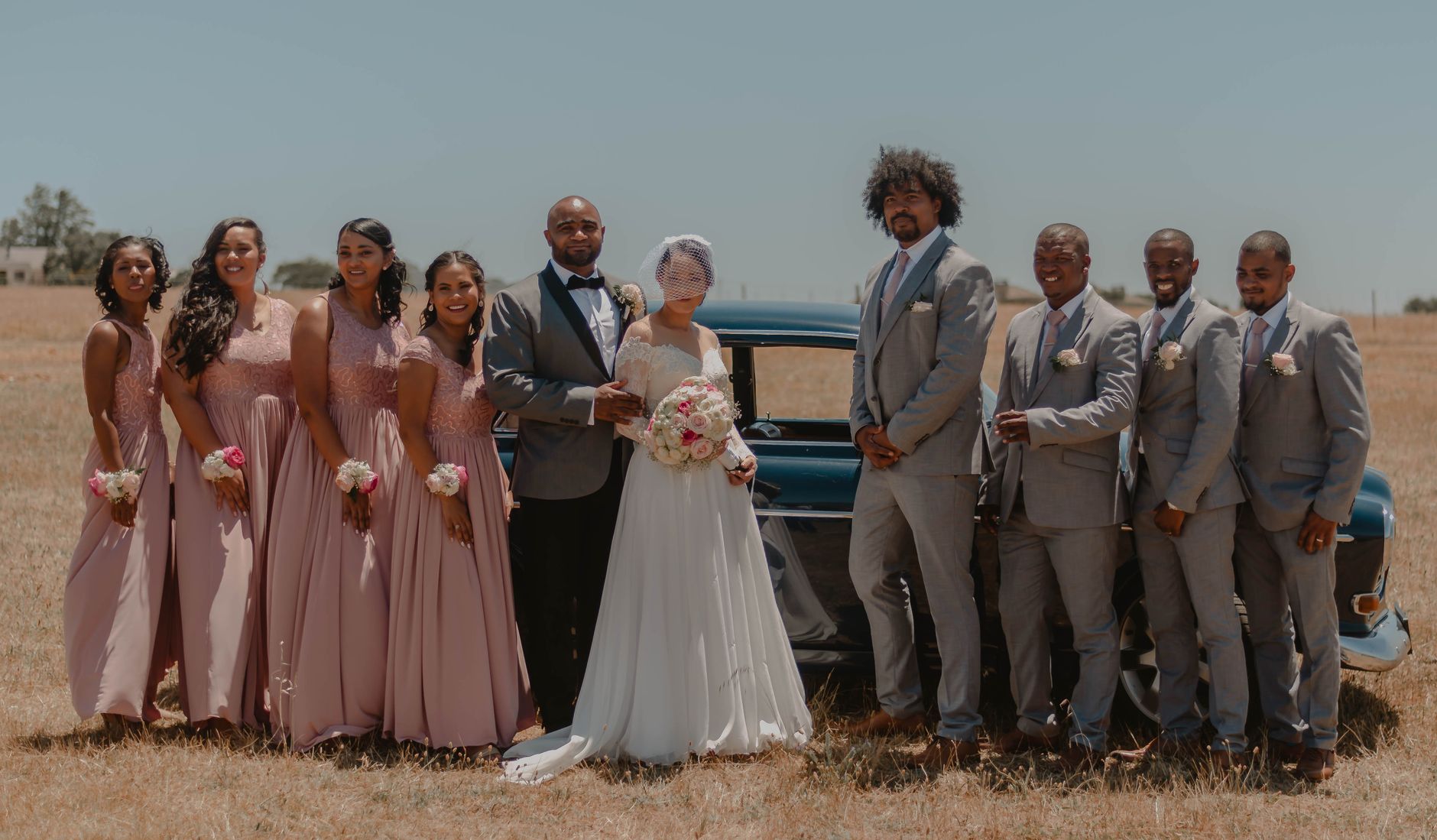
You watch the forecast like it’s a verdict. The 10-day outlook flips from sun to thunderstorms, and suddenly the ceremony in the meadow, the dinner under the oaks, the string-light aisle — all of it feels fragile. It’s easy to believe a rainy wedding day is the budget version of the wedding you actually planned.
But rain isn’t a punishment for poor planning. It’s a lighting change, a room change, a rhythm change. It lowers the sky, pulls people closer, and turns soft fabric and warm bulbs into the whole atmosphere. Some of the most visually stunning weddings happen under the sound of rain on a roof — if the backup plan is styled with the same care as the original.
This is a practical, visual guide to building a rain plan that feels intentional: not “Plan B,” but the same wedding with a different ceiling.
Read the Forecast Like a Planner, Not a Worrier
Most couples read a rainy forecast emotionally. Planners read it logistically. The goal isn’t certainty — it’s a decision window.
First, understand what “40% chance” actually means. It doesn’t mean 40% of your day will be wet, or that rain will fall on 40% of your venue. It means the forecast predicts a 40% probability that measurable rain will fall somewhere in the forecast area during that time period. A 40% chance can still mean a fully dry ceremony and a soaked exit — or one hard downpour that lasts twenty minutes.
For wedding logistics, break the forecast into three decision points:
- 48 hours out: Confirm the tent, flooring, heaters, and backup indoor space are still available. Don’t set anything in motion yet unless the forecast confidence is very high.
- 24 hours out: Look at the hourly probability of precipitation, not just the daily icon. If rain is likely during setup, ceremony, or load-out, start moving the switch.
- Morning-of: Check radar and the surface wind forecast. Make the final call at least 4–6 hours before guest arrival so vendors have time to adjust.
Pull the trigger without regret when there’s a 60% or higher chance of steady rain during any critical window — setup, ceremony, or exit — or when gusts exceed 25 mph for tents or 15 mph for draped arbors. Once you choose the indoor or covered option, stop comparing alternate timelines. The backup plan becomes the plan.
Use the hourly forecast graph from NOAA or the National Weather Service rather than a generic weather app. Read the “forecast discussion” text if you can tolerate weather language — it often tells you whether the rain is scattered, slow-moving, or wind-driven.
And the detail most couples overlook: wind direction. Rain rarely falls straight down. If the wind is blowing from the west, an east-facing porch or the lee side of a barn may stay perfectly dry. Position ceremony arches, lounge areas, and tent openings away from the wind-driven side. The same storm can soak one doorway and leave another completely usable.
The Clear-Top Tent: Light Without the Cave Feeling
The fastest way to ruin an outdoor wedding is to move it into a dark white cave. But the right tent — with the right roof and sidewalls — can keep the outdoor feel even when the sky closes in.
Three tent styles do this especially well:
| Tent style | Light and shadow | Photography feel | Rough rental, 100 guests installed |
|---|---|---|---|
| Clear-span frame | Even, bright, no center poles; can feel flat if all sidewalls are closed | Clean and bright; excellent for detail shots, less depth on faces | $4,000–$12,000 |
| Sailcloth | Translucent peaks glow warm; soft shadows through the fabric | Flattering warm cast; beautiful with string lights | $1,800–$5,500 |
| Transparent gable | Real sky and rain visible; strong outdoor read, but can glare or heat up | Dramatic and story-rich; needs diffused flash for portraits | $3,000–$9,000 |
Clear-span frames are the practical workhorse. They don’t have interior poles, so sightlines stay open. Ask the rental company whether the roof membrane is translucent or opaque. A translucent roof reads as soft daylight; an opaque white roof can feel like a commercial event hall unless you add warm lighting.
Sailcloth tents are the most romantic option. The semi-translucent fabric changes with the weather — on overcast days it glows with even, shadowless light, and at night it holds string lights beautifully. The trade-off is fewer straight walls and a less rigid structure. Ask whether the sailcloth is rated waterproof, not just water-resistant.
Transparent gable tents have clear roof panels that let you watch the rain slide off above you. They’re gorgeous in photos but can create glare at midday and a greenhouse effect if the sun returns. Reserve these for shorter events or pair with sidewall openings for airflow.
One question that changes the whole aesthetic: “Can you show me this exact tent installed with the sidewalls down and the sky overcast?” If the tent still feels bright and warm in that photo, it’ll work on a rainy day. If it looks gray, hollow, or blue-toned, budget for additional amber lighting and greenery at the base to warm the volume.
Sizing It Right
A tent that’s exactly the right size feels intimate. A tent that’s ten feet too small feels like a crowd.
Use this formula for a seated dinner with a dance floor:
- Seated dinner at round tables: 12–15 square feet per guest
- Dance floor: 2–3 square feet per guest, assuming half the guests dance at once
- Buffet or bar zone: 150–300 square feet, depending on number of stations
- Lounge or cake table: 100–150 square feet
For 100 guests, that lands around 1,800–2,200 square feet. A 40' × 60' tent is 2,400 square feet and breathes. A 30' × 60' tent is 1,800 square feet and technically fits, but the dance floor gets pushed against table legs, chairs catch on chair backs, and caterers have no clear path. When in doubt, add ten feet of width before adding length — width changes the room’s shape more dramatically.
Flooring That Doesn't Look Like a Parking Lot
Standard white plastic flooring is the fastest way to make a tent feel like a temporary shelter. It bounces light harshly, scuffs underfoot, and photographs as a bright white void.
Better options:
- Wood-look interlocking tiles — warm, structured, and much closer to a ballroom floor. Rough rental cost: $2–$5 per square foot installed.
- Dark carpet that mimics soil — in charcoal, espresso, or deep green. It absorbs light instead of reflecting it and makes the tent feel grounded. Rough rental cost: $1.50–$3.50 per square foot.
- Rugs to define zones — a 9' × 12' rug under the lounge, a runner for the aisle, a round rug under the sweetheart table. Rugs break up the floor plane and make the tent read as a series of rooms. Rough rental cost: $30–$80 per rug.
The flooring choice changes perceived volume. Pale floors make a low tent feel bigger but colder. Dark floors make a tall tent feel cozier but can shrink a small tent. For a tent under 2,000 square feet, choose warm mid-tones and use rugs for contrast rather than all-dark flooring.
Indoor-Outdoor Flow: Transforming the Barn, Loft, or Blank-Slate Venue
An indoor backup venue doesn’t have to feel like a retreat into a box. The trick is to pull the outdoor elements inside and lower the visual scale so the room feels designed, not borrowed.
Start with the blank walls. Long, empty walls are what make a room feel like a school gym or event hall. Break them with a green perimeter:
- Rent 6–8 foot potted trees — ficus, olive, or magnolia depending on season — and place one every 10–12 feet along the worst walls.
- Add medium ferns on risers between the trees to break the floor line and cover table legs.
- Use potted rosemary, lavender, or eucalyptus as aisle markers. They add scent and read as garden texture in close-up photos.
Hang string lights low. The most common mistake is stringing them at 12–16 feet, where they become a dim blur. Run the wire at 8–9 feet instead. This creates a visible ceiling of warm light and pulls the room down to human scale. Use warm white bulbs, not cool white or blue-white LEDs, and space them 12–18 inches apart.
For a 40' × 60' room, a practical supply list looks like:
- 8–10 potted trees, 6–8 feet tall — rental $25–$75 each: $200–$750
- 15–20 ferns on risers — rental $15–$30 each: $225–$600
- 12–15 strands of warm white cafe lights — rental $20–$40 per strand: $240–$600
- 3–5 large indoor rugs — rental $30–$80 each: $90–$400
The worth-it split here: renting mature potted trees is worth the money. Buying and transporting dozens of plants is not — nursery rental usually includes delivery and pickup, and the plants arrive full and stable. If you’re set on DIY, pick one statement piece, like a large installation near the ceremony spot, and rent the rest.
Finally, create one strong visual anchor inside. A wooden arch, a circle arbor, or a low floral structure behind the sweetheart table gives the eye a focal point other than the room’s corners. In photos, that anchor reads as the ceremony’s garden moment — even if it’s sitting between two fire exits.
Rain doesn’t cancel beauty. It changes the set list. The wedding that works in the rain has three things: a clear ceiling, one warm light source, and a dry path from guest arrival to final toast. Make the call early, style the covered space with the same detail as the outdoor plan, and let the rain become the story — not the asterisk.